


Designing Your Custom Home
- ryanbrassard
- Oct 20
- 3 min read
Designing a home from the ground up is an exciting journey. It’s your chance to create a space that fits your lifestyle perfectly. From choosing the layout to picking finishes, every decision shapes your future comfort and happiness. I’ve learned that having a clear plan and understanding the process makes building a custom home a rewarding experience. Whether you’re starting with a blank canvas or renovating an existing property, these tips will help you design a home that feels truly yours.
Essential Custom Home Design Tips to Get You Started
When you begin designing your home, it’s important to focus on what matters most to you. Here are some practical tips to guide you through the process:
Prioritize your needs and wants. Make a list of must-haves versus nice-to-haves. This helps keep your project on track and within budget.
Think about your lifestyle. Do you entertain often? Need a home office? Consider how each space will be used daily.
Plan for the future. Will your family grow? Do you want to age in place? Designing with flexibility can save you time and money later.
Choose a style that reflects you. Whether modern, traditional, or something unique, your home should feel like a natural extension of your personality.
Work with professionals you trust. Collaborating with experienced contractors and designers ensures your vision becomes reality without surprises.
Taking these steps early on sets a strong foundation for your project. It also helps you communicate clearly with your builder, making the entire process smoother.

How to Make the Most of Your Custom Home Design
Designing a custom home is about more than just aesthetics. It’s about creating a space that works for you every day. Here are some ways to maximize your design:
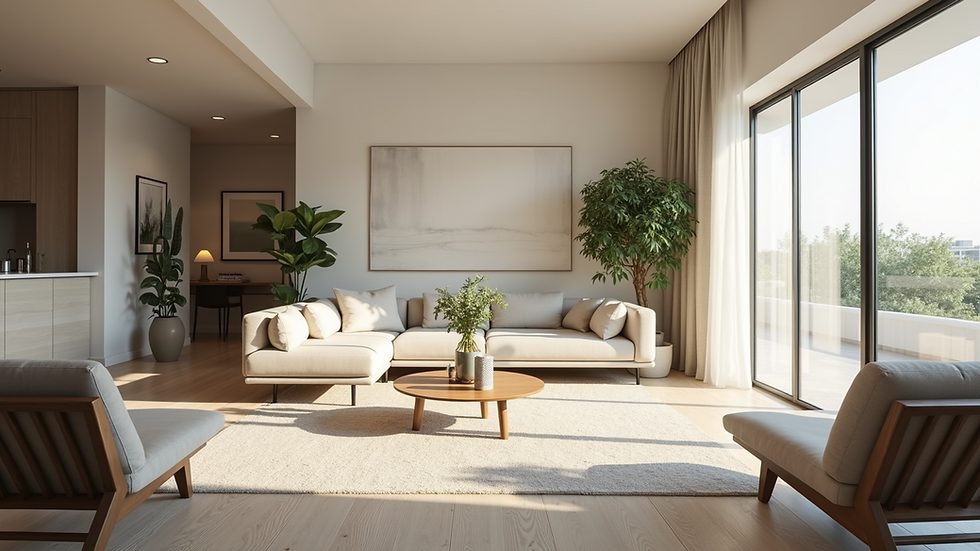
Optimize natural light. Large windows and skylights can brighten your home and reduce energy costs.
Incorporate smart storage solutions. Built-in shelves, under-stair storage, and custom closets keep your home organized.
Choose durable, low-maintenance materials. This saves time and money on upkeep.
Create seamless indoor-outdoor living spaces. Patios, decks, and large sliding doors extend your living area.
Focus on energy efficiency. Proper insulation, energy-efficient windows, and modern HVAC systems improve comfort and lower bills.
Remember, every choice impacts your daily life. Don’t hesitate to ask your contractor for advice on materials and design features that suit your climate and lifestyle.

Is $200,000 Enough to Build a House?
One of the most common questions I hear is whether $200,000 is enough to build a house. The answer depends on several factors:
Location and land costs. Prices vary widely depending on where you build.
Size and complexity of the design. Larger homes with custom features cost more.
Material choices. High-end finishes increase the budget.
Labor and contractor fees. Skilled labor can be a significant part of the cost.
Permits and inspections. These are necessary expenses that vary by region.
In Howard County, Indiana, $200,000 can be a reasonable starting point for a modest, well-designed home if you plan carefully. Focusing on essential features and efficient design helps stretch your budget. It’s also wise to leave a contingency fund for unexpected expenses.
If you want to explore options tailored to your budget, working with a trusted general contractor can provide valuable insights. They can help you balance cost and quality to build a home you’ll love.

Why Choose a Local Contractor for Your Custom Home?
Selecting the right contractor is crucial for a successful build. Local contractors bring unique advantages:
Familiarity with local building codes and regulations. This ensures your project meets all legal requirements.
Knowledge of the local climate and soil conditions. They can recommend materials and designs that perform well in your area.
Established relationships with local suppliers and subcontractors. This often leads to better pricing and reliable scheduling.
Commitment to community reputation. Local contractors depend on positive word-of-mouth and long-term client relationships.
Personalized service and communication. Being nearby makes it easier to stay involved and informed throughout the project.
Brass Legacy General Contractors LLC is a great example of a full-service local contractor dedicated to helping homeowners in Howard County and surrounding areas. Their expertise in custom home design and renovations ensures your vision is realized with quality and care.
Bringing Your Dream Home to Life
Designing your custom home is a journey filled with exciting decisions and meaningful choices. By focusing on your needs, planning carefully, and partnering with the right professionals, you can create a space that truly feels like home. Remember, the process is as important as the result - enjoy each step and trust that your dream home is within reach.
If you’re ready to start your project or want to learn more about custom home design, reach out to a trusted local contractor. They can guide you through every phase, from initial concept to final touches, making your dream home a reality.
Your perfect home is waiting to be designed - let’s make it happen!


Comments